

As teenagers, we first begin wondering about existence and our role in it. And almost immediately, we feel an unmistakable sense that something inside us isn’t complete. We feel divided, unsure of ourselves, or out of sync with who we are. We’re sometimes morally adrift without knowing why. We sense a disconnection from meaning or purpose, and we feel that we’re missing something essential but can’t name it. Some of us feel cut off from who we might become. Others feel as if they’ve fallen short before they’ve even begun. Many feel lost, as if everyone else has a map they somehow never received. And almost all of us feel, at one point or another, that our potential is dying before it ever has a chance to live.
All of these feelings point to the same basic truth: we are not born knowing how to bring our inner life into a coherent whole. There is no guarantee that our thoughts, emotions, and perceptions will naturally line up. Without that inner alignment, we carry a steady sense of being deficient, which can be extraordinarily painful psychologically — but also compelling. There begins our lifelong search to understand how to complete ourselves and reach toward fulfillment. Unfortunately, we often seek answers in all the wrong places. This also leaves us vulnerable, among other things, to organizations that offer secret knowledge that is forever outside our comprehension and experience.
People often have powerful inner experiences that are not clearly connected to each other. Their profound depths of empathy, huge emotions, life-or-death choices, and reasoned thoughts don’t have an overall framework. The closest big-picture overview traditionally offered is world religions based on a mystical foundation. But these don’t actually offer real-life understanding of how these big inner experiences fit together — “God,” “the One,” “the Unnamed,” or pure energy act more as a feel-good stopgap that doesn’t address the “why” behind human issues. This mystical foundation cuts off deeper inquiries into the meaning of life and existence. Yet our deeply felt experiences are real. So how do we address them without resorting to mystical explanations?
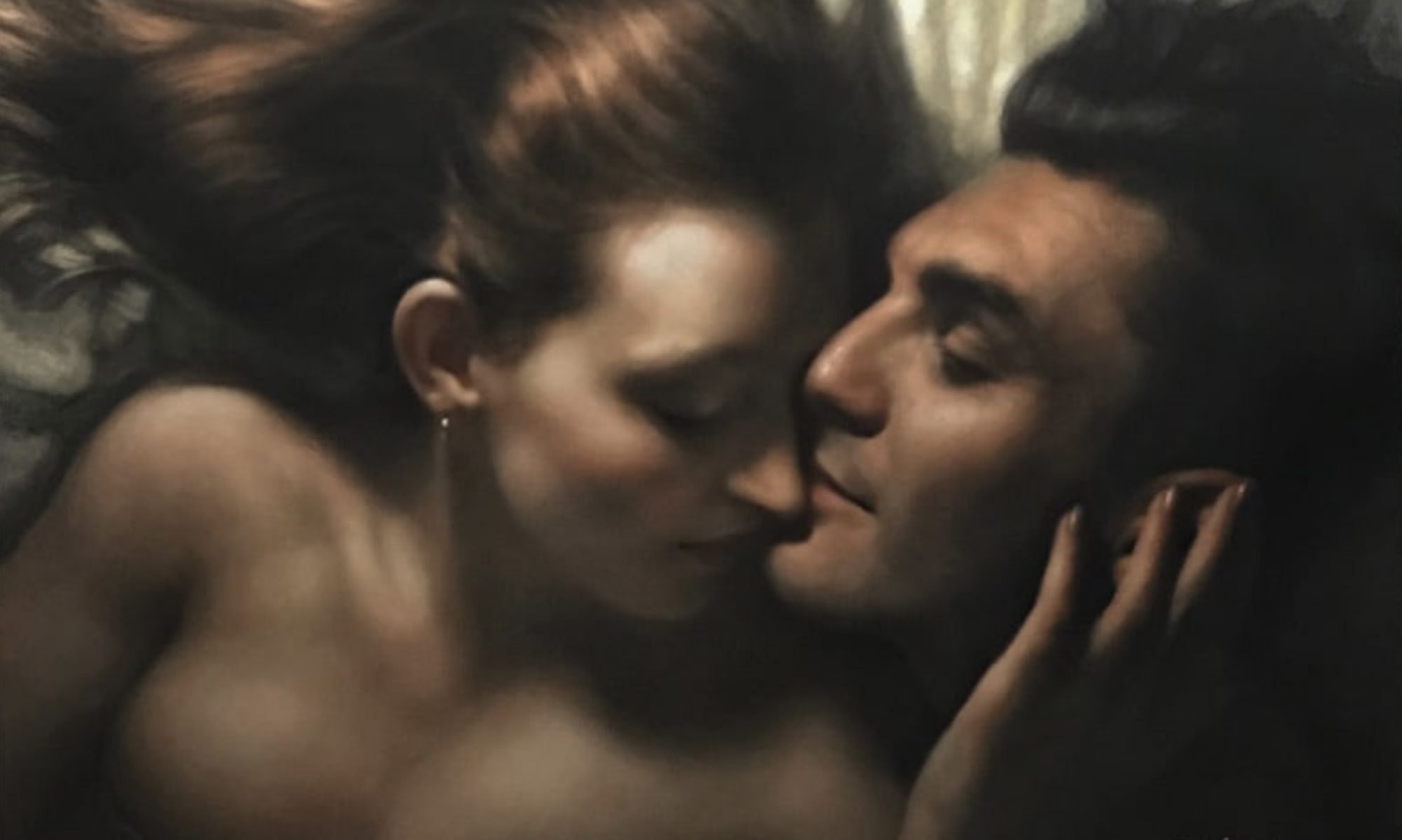
The answer lies in aesthetics, in the nature of art, and in how art simultaneously taps and integrates thought, feeling, and perception. These are the building blocks of modern human cognition, the same trinity that began 40,000 years ago with the advent of the Lion Man. Integrated through art, aesthetics treats our inner world as a unified, coherent whole. Art gives us the exalted experience of what it feels like to be complete. Amazingly, this is born from the same fusion of thought, emotion, and perception that has shaped human beings from the very beginning. It’s not mystical at all; art is the one and only area where this is accomplished.
All religions have tapped into the aesthetic power of art without ever giving it credit, while also using art to inspire, uplift, enlighten, and give a sense of emotional awe. They’ve presented profound and spiritual enlightenment as a mystical phenomenon, when the real answer is that those divine experiences are caused by art. The capacity to feel these powerful experiences is innate in every human being. We don’t need religion or mysticism to access them; they are already part of us. But what is needed to understand our magnificent inner network — is aesthetics.
When we understand aesthetics and art, we become who we were always meant to be. It unlocks our deepest, most profound potential. It connects us not only to ourselves, but to our magnificent heritage from prehistoric times to now and into the future.
This book offers a framework people have never been given before.
 Michael Newberry