In a limestone cave, forty thousand years ago, a hand mixed spit and fat with ground pigments and applied it to stone walls in the contour of a bison. Its body curving with muscle, motion, and form. In the firelight, others gather, recognizing the powerful animal. They feel its mass and movement and perhaps are puzzled that it seems real and yet …
Long before temples or writing existed, long before cities, human and animal bodies were already being made in pigment, stone, bone, and clay. Across continents, figures appear again and again: herds running across rock, hunters in motion, sensual nudes, even super heroes (Lion Man). No institutions, and no scripture made these makers. Yet figurative art preceded it all.
A little child with a crayon draws a circle and adds two marks for eyes. Another line becomes arms. The page fills with faces and bodies before the child can write a sentence or name a belief. Figures arrive as if by embedded code.
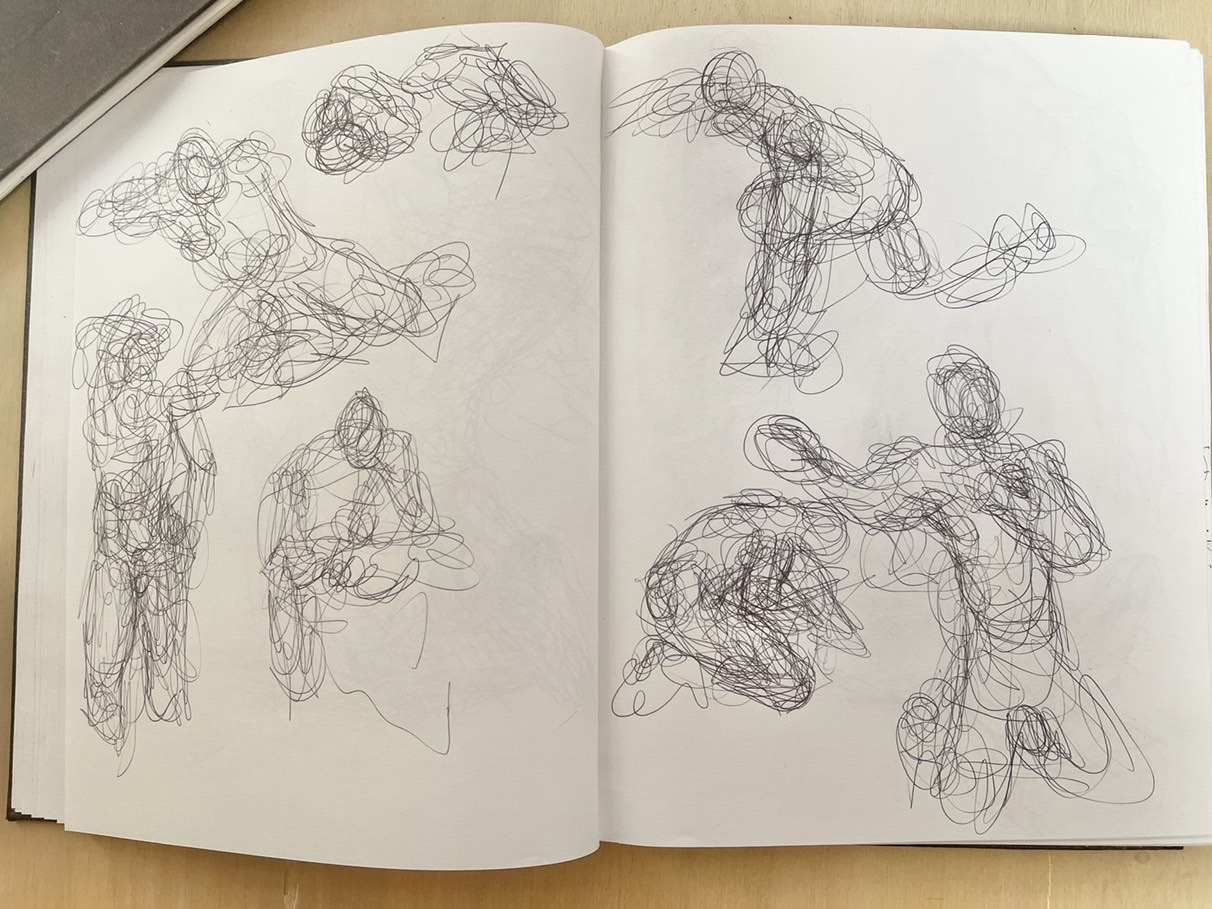
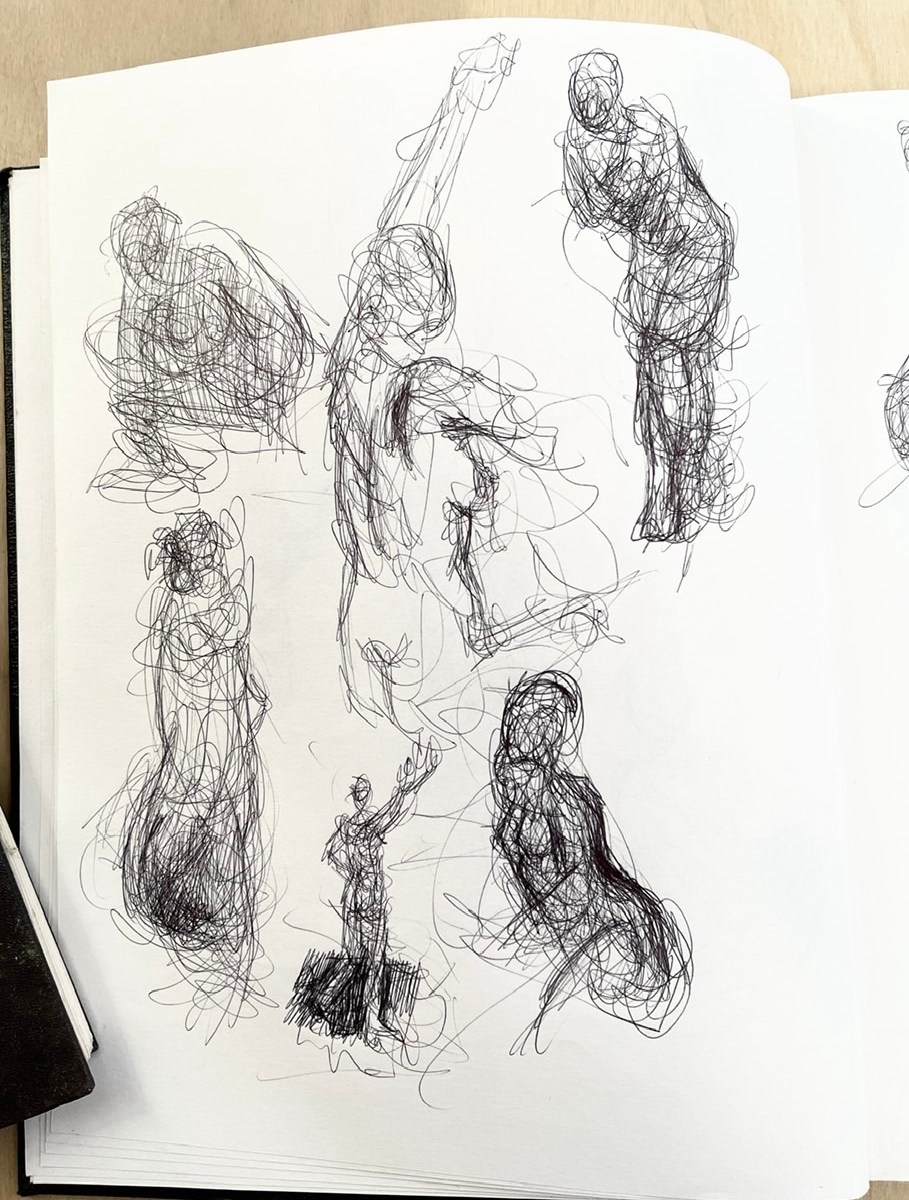
From cave walls to scraps of paper, figurative art persists: to see a body, to feel its presence, to make it visible. And the image of humans remains understandable to all, crossing language, tribe, time, and doctrine. Everyone can stand before figurative art and recognize themselves within it.





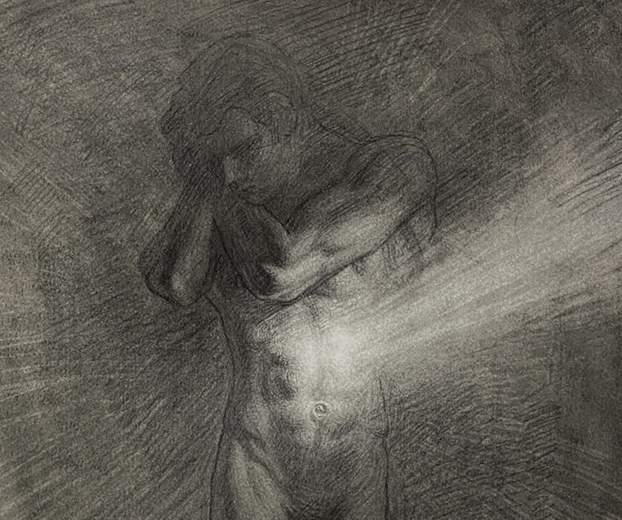
 Michael Newberry