

A new edition by Michael Newberry
Evolution Through Art
Second Edition
Art, the Integrator of the Human Spirit
Evolution Through Art examines the exceptional artworks of history as primary sources, from the cave paintings to The Harvest by Van Gogh, and to living masters today. Following in the giant footsteps of artists who wrote the history and theory of art, like Vasari, this book comes from an insider’s perspective on how art is built to reach you.
ETA covers how artworks are a time-capsule that connects you directly, at full strength, to a genius like da Vinci. And it shows how great art has a cognitive power to tap your heart, mind, and vision. “Without art humanity might never have noticed our dormant potential, much less acted on it.”
With a focused reading of this book, you can hold the breadth and scope of great artistic advancements within your being, and come away seeing the vast stretch of great art as your legacy.
Kindle · Instant download · Also available in paperback
How does visual art become the doorway to your rapture?
This book begins with the evolutionary first steps of prehistoric artists, leading up to the temples of Egypt and Greece, explores the sensual nude, then rises to revolutions of light and mind, passing some tragedies along the way, and grows to the masters of today, arriving at a breathtaking view and theme of human emergence.
Art is a miracle. By integrating thought, emotion, and perception, art gave birth to human emergence, and to those who embrace that legacy, rapture.
It reframes art history, showing how art is built to reach you.
Two highly important and influential works on aesthetics, The Lives of the Artists by Vasari and the Canon by Polykleitos, were written by working artists who understood art from the inside. Likewise, Newberry brings five and a half decades of studio practice to reframe the history of art from the inside out.
Art is the form that embodies thought, emotion, and perception in sync. This book shows how that works, and how it transmits, from the artist’s soul to yours.
40,000 years ago, art sparked an evolutionary leap: from creatures reacting moment to moment into beings who could imagine future outcomes, and act on them with confidence. This book shows you how that leap, through art, unfolded and continues to sustain us today.*
* This book would be at fault if it did not address a historical anomaly that cannot be overlooked: when artists turn against themselves and intellectuals against art, i.e., postmodernism and its nihilistic aesthetics.
Sixteen chapters. One argument: we evolve through art.
Part One — The QuestEarly humans began to draw visual cues with no utilitarian purpose, opening the doorway to contemplation and self-awareness.
The Lion Man, the first figurative artwork, asked a question no other animal had: what do I want to be?
Against every obstacle, with no payoff and even the risk of being branded insane, art happened anyway. 40,000 years on, its value is still not well understood.
Art reaches the core spirit of anyone who looks. We take a peek at the ineffable, irresistible pull that draws an artist to create.
The wizards are the great mentors who tap a young artist’s potential and transmit hard-won techniques. Often unsung, they carry the inner workings of art forward.
Civilization nourished art to new heights, but also began to domesticate the artist and harness art for propaganda. A fascinating departure was the brief humanist moment of Akhenaten and the sculptor Thutmose.
Art is the original PsyOp, a covert language that stealthily enters your emotions, perceptions, and thoughts. This chapter translates it, with the unexpected gift of a heightened intimacy with art.
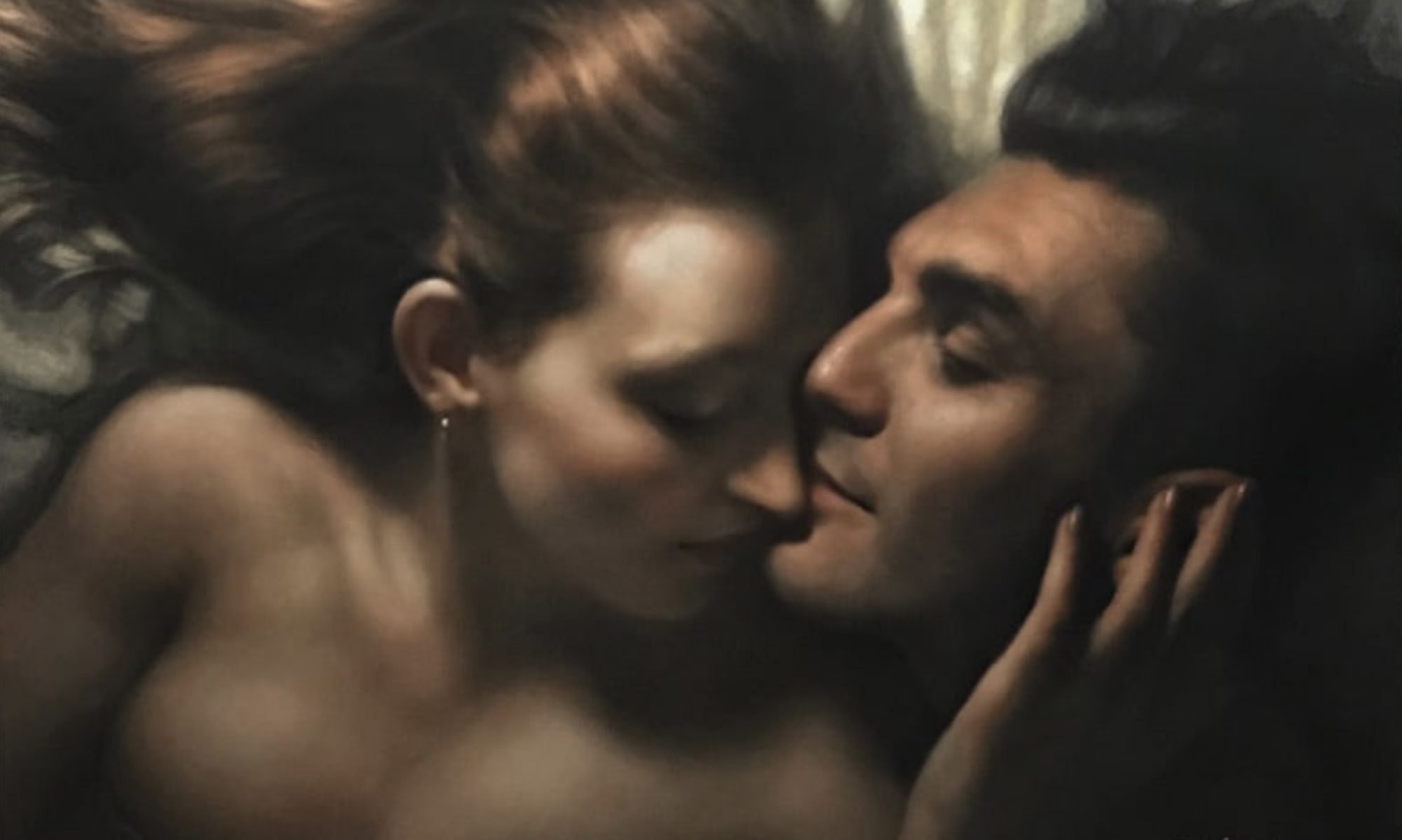
The nude is how art shows the whole, real human being, private and universal at once. In the hands of the masters it becomes the highest thing art can reach: the sublime made so real you could almost touch it.
This chapter examines who destroys art, and why.
The sublime is the most important concept in aesthetics. Yet how it is projected by philosophers, artists, and institutions can rise to pinnacles or descend to the absurd.
Kant divorced the sublime from art and radically changed its meaning into nihilism. The result was postmodernism, and this chapter shows the connections between his concepts of the sublime and postmodern artworks.
Art history is messy, not a straight line. In the 19th century Courbet stood out against Kant’s tragic influence, boldly integrating ends and means toward freedom.
Vermeer and the French Impressionists evolved our perception of light and color, and the benefit to us is that we come to see the real world more richly.
Figurative art is alive and still evolving. Six contemporary masters, each innovating in perception, emotion, and the human spirit—their works fully exemplify art as an end in itself.
The heart of this book is that art integrates senses, emotions, and thought, and at its best, the sublime awakens us to our unknown potential and the desire to evolve.
Art is a telescope projecting us into our far-distant future.
Kindle · Instant download · Also available in paperback
From the Conclusion
This book has shown how visual art touches all parts of our psyche. And if we look deep enough we can see our soul’s DNA is created from these elements that artists developed. It makes up a kind of code, language or visual grammar, that having been once undertaken shows us more deeply who we are, where we came from and where we are going. Art is our ideal friend, lover, guide, and mentor. Art even acts as a chameleon, it is a mirror that shows us ourselves, and morphs into a telescope projecting us into our far-distant future.
— from Chapter Sixteen · ConclusionThe voices the book draws on.
Take what is useful. Leave the rest.
This book does not —
- Treat art as decoration or entertainment.
- Apologize for the greatness of figurative art.
- Grant postmodernism a place in art’s evolution.
- Reduce aesthetics to personal taste.
- Leave representational artists without a philosophical defense.
This book does —
- Art shows us more deeply who we are.
- Demystifies art history, making it feel real.
- Conveys how great artworks transcend millennia.
- Shows how Kant fathered postmodernism by disfiguring the sublime.
- Reveals the wonder of sublime art, past and ongoing.
Early responses.
“Beautifully executed from its beginning glimpse of the artists’ drawings in ancient caves to examples of extraordinary contemporary artists and their works. Art, history, and how to experience the joy of life, all in one place.”
Elaine Ring“Newberry’s perspective of an artist’s knowledge gives ETA the features of a philosophy of art, art history, and science of its progress woven into a narrative of human nature.”
Richard Cameron“Evolution Through Art is a history of art, but it is also a psychology of art. It answers the question: What can art do for us? What makes it really special is that it treats art through the eyes of an artist.”
Kurt Keefner“Newberry’s expansive descriptions of detailed elements in different paintings, light, shadow, colors, atmospheric tonalities, linear edges, perspective, made me want to dash to the actual museum, stand before each one in person again, and look anew.”
Mark“If you want to carry one book through your life, and read it again with better understanding and joy, and again, this is the book!”
Petia Lilova MatschkeMichael Newberry.
Michael Newberry is a humanist figurative artist with 55 years of full-time professional practice. He was a Professor of Art at Otis College of Art and Design and is the author of six books including Newberry Color Theory and Art: Modern, Postmodern and Beyond with philosopher Stephen R. C. Hicks. He has created over 1,500 documented artworks and sold over 800 works.
With a lifetime of artistic practice and integrity, Newberry brings a civilizational perspective to examining the 40,000-year legacy of art. He lives and paints in Idyllwild, California.
Reasonable questions, answered plainly.
Anyone who has ever stood in front of a great painting and felt something they couldn’t explain. Artists who want to understand the philosophical foundations of what they do. Readers who suspect postmodern art is missing something important and want to know what and why.
No. The book examines artworks with you, with patient curiosity and plain language. What it asks of you is close looking and contemplation.
Not exactly. It is written by a working artist who has spent 55 years solving the problems the book discusses. Yet it draws on the philosophers Aristotle and Kant, and on historical sources, with an extensive bibliography and index.
Yes, the paperback edition is available on Amazon. The Kindle edition is $9.99 and available for instant download.
Art is our ideal friend, lover, guide, and mentor.
It is a mirror that shows us ourselves, and morphs into a telescope
projecting us into our far-distant future.
Kindle · Instant download · Also available in paperback
Related
Discover more from Michael Newberry
Subscribe to get the latest posts sent to your email.